New PC Rule Guidance: Are You Doing Things Right?
Since 2016, FDA has been rolling out (albeit rather slowly), a series of guidance documents for 17 chapters related to FSMA’s Preventive Controls for Human

Since 2016, FDA has been rolling out (albeit rather slowly), a series of guidance documents for 17 chapters related to FSMA’s Preventive Controls for Human

The facility’s HACCP plan did not include the required criteria for control measures delivering a 5-log reduction in the most heat-resistant microorganisms of public health concern to be in place at least as long as the product shelf life. Additionally, the process was not validated against Cryptosporidium parvum, E. coli O157:H7, and Salmonella. …

The FDA warning letter stated that the importer did not ensure that the seafood items they imported were in compliance with Seafood HACCP. This includes ensuring that the hazards of parasites and aquaculture drugs are controlled, and extends to specific species-related hazards including histamine. …

An incomplete Food Safety Plan hazard analysis, which did not identify and evaluate pathogenic bacteria, e.g., Salmonella, despite use of ingredients that have been associated with Salmonella concerns in the past. Because of this, no preventive controls (e.g., processes such as a lethality treatment or a supply chain program) against pathogenic bacteria were identified. …

Food facilities are required to renew their FDA registrations on a bi-annual basis. As shown by this facility’s warning letter, failure to do so can elicit a citation or other consequence …

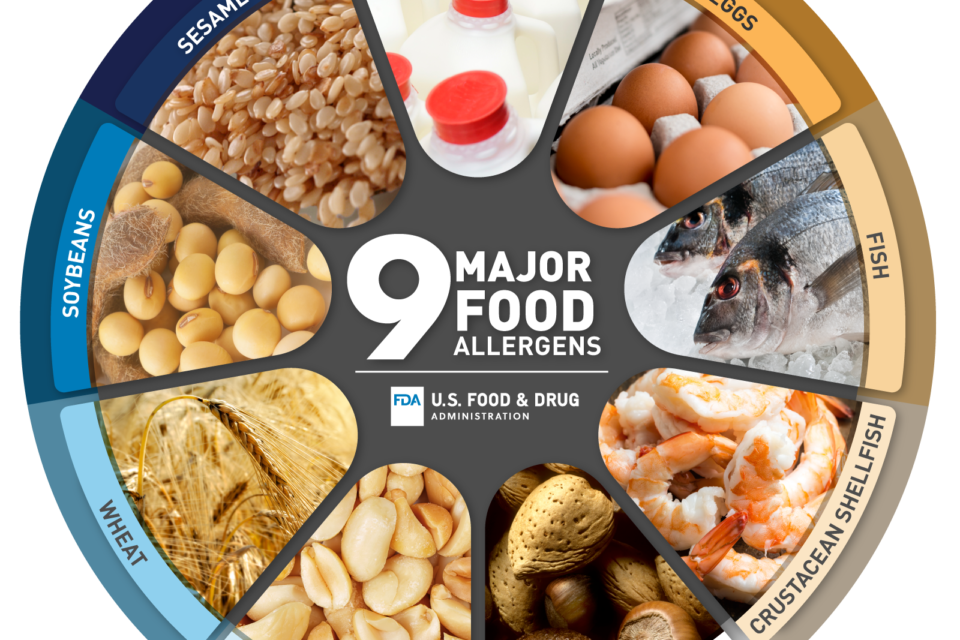
Allergen cross contact related to the unintended presence of sesame was not fully considered and managed with sanitation not extended to all shared equipment or the sanitation procedure, as written in the Food Safety Plan, not addressing which equipment was to be cleaned nor its frequency. Additionally, sesame residue was observed after sanitation had been completed. …

A recent Warning Letter was sent to a sprouts producer due to its failure to comply with the FSMA Produce Safety Rule. Violations included: …

Spice Importer Failed to Comply with FSVP Requirements; FSVP requires that importers identify and evaluate known or reasonably foreseeable hazards for each type of imported food to determine if there are any that require a preventive control. …

FDA Warning letter was received by an RTE Bakery with deficiencies in Pests and Facility Registration …

We are continuing to see an upward trend in norovirus outbreaks, as is reported by CDC on a monthly basis. While the trend is tracking