
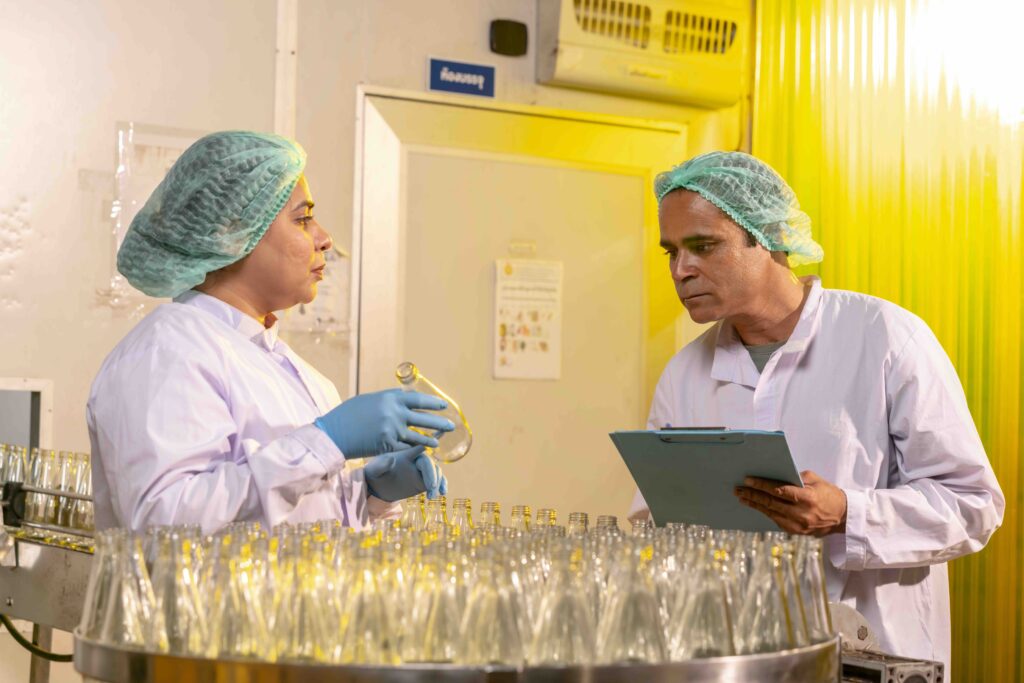
Since FDA announced its expansion of unannounced inspections to foreign facilities in May 2025, TAG has learned of a number of facilities that have had an FDA investigator arrive at their door unannounced – with some significant challenges and unintended consequences. We have seen the challenges begin from the moment the investigator arrives; so whether you are, have, or purchase supplies from, a foreign food facility, it is critical that your team knows that FDA can show up without notice, what to do when they do, and how to follow up when applicable.
The first thing to know is that, upon arrival, the investigator is to introduce themself and present appropriate FDA official credentials that include their name and credential number. Once presented to the most responsible individual onsite, the introductory meeting and walkthrough of the plant can be conducted.
While this may sound simple, it has caused challenges for various reasons, such as having no one onsite who speaks English and the investigator not speaking the language of the country in which they are inspecting.
In one srecent inspection, the facility personnel who were there at the time, contacted their English-speaking manager; the manager spoke with the investigator and stated they’d be there in 50 minutes. Although the investigator waited in the facility’s conference room for about 20 minutes, they left before the manager arrived, issuing a Refusal to Inspect notice to the facility. That notice automatically triggered an import alert against the facility. Whether the Refusal to Inspect notice was warranted became a moot point once the notice was issued. But to avoid such situations, TAG recommends that any FDA-registered plant, in any country, always have someone present during business hours (e.g., 9:00 am – 5:00 pm) with a sufficient level of English fluency to speak with an inspector – as the inspector may be American who speaks only English.
Another area of concern can be the inspector’s identification. In one case, the FDA investigator presented a business card, but no official credentials. While FDA does not clarify exactly what “official credentials” are, it does distinguish between appropriate credentials and business cards (cited as “cards of introduction”). Further, a facility is allowed to record the investigator’s name and credential number – which would not appear on a business card.
Particularly in today’s environment in which facilities have been warned about fraudsters, it is a reasonable expectation that an inspector show appropriate credentials (and a properly executed and signed FDA Form 482 for domestic facilities). But, more so, it is regulation:
As the IOM 2026 5.1.4.1. states: “Display your FDA credentials to the most responsible individual onsite at the time you arrive to initiate the inspection at the firm or the facility you are inspecting…. management may examine your credentials and record the number, as well as your name.” So, the facility should push back if a business card is presented as credentials; as it’s not much different than a plainclothes “police officer” showing a business card rather than an official badge with ID number. However …
Because there is some subjectivity in an FDA official determining a “refusal,” too much pushback could result in a Refusal to Inspect notice. In a US-based facility, such refusal automatically deems the regulated products to be adulterated, and in a foreign facility, puts the facility on a Detention Without Physical Examination (DWPE) import alert. And, once deemed adulterated or put on an import alert, a written response must be submitted to FDA with a corrective action plan addressing the cause and requesting removal. For a foreign entity, this may take the form of an actual FDA inspection or a third-party audit by an FDA-accredited auditor.
With FDA now conducting unannounced inspections in both domestic and foreign food facilities, it has become even more critical that all be prepared at all times for a potential inspection. While it should go unsaid that your food safety processes and practices be at their best at all times, it also means having an English-speaking responsible person onsite; ensuring your team understands what to do when FDA shows up at the door; and being prepared to take corrective action should it be needed.
Whether that corrective action involves responding to observed noncompliances in a 483, placement on an import alert, or other official action, TAG can help. Our regulatory experts have assisted clients in determining and implementing needed corrective actions, submitting FDA responses, and removal from import alerts – and we can also work with you on proactive food safety strategies to help prevent any of these in the first place!
In summary, since May 2025, when FDA announced its expansion of unannounced inspections to foreign facilities, TAG has learned of several facilities facing significant challenges and unintended consequences. The first thing to know is that, upon arrival, the investigator is to introduce themself and present appropriate FDA official credentials that include their name and credential number. While it should go unsaid that your food safety processes and practices be at their best at all times, TAG recommends that any FDA-registered plant, in any country, always have someone present during business hours (e.g., 9:00 am – 5:00 pm) with a sufficient level of English fluency to speak with an inspector – as the inspector may be American who speaks only English.