
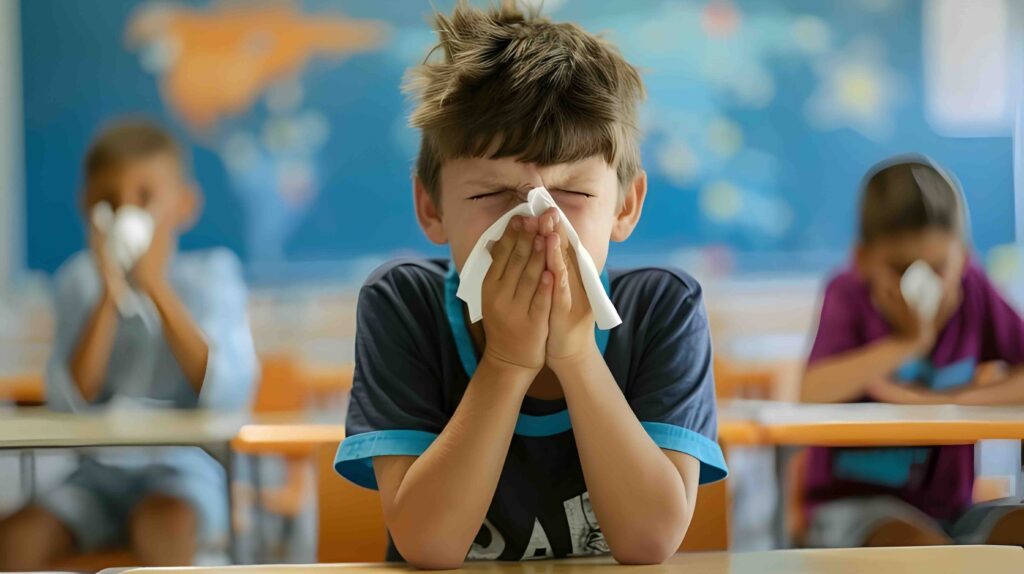
As children, teens – and adults – go back to school and interact with large groups, illness rates tend to rise, impacting not As children, teens – and adults – go back to school and interact with large groups, illness rates tend to rise, impacting not only the infected person but their siblings and parents (e.g., your employees) as well. In fact, one study found that over 70% of viral transmission began with a child, and illnesses increased by up to 40% when children were in school (as compared to school breaks).
The risk of increased illness is also evidenced by the increase in vaccine exemptions in recent years, with 4.2% of U.S. kindergarteners having an exemption from at least one of the vaccines required to attend school, up from 3.6% the previous year. The increase is not driven by medical exemptions, but from non-medical reasons – which have doubled over the past decade.
Additionally, MMR vaccination coverage varies across the nation, from about 75% (Idaho) to 99% (West Virginia), and it is declining in more than half of all states. So, when determining the risk factors in your area, it is important to think local. Some health departments publish this information, and state rates can also be found here; county rates here.)
Following are a few ideas to aid your employees while helping to protect your business when illnesses increase:
- Offering flexible scheduling. When possible, allow parents to adjust their work hours to handle school drop-offs and/or pick-ups. Allow time off for medical appointments (of the worker and their children) and for caring for ill children.
- Reiterate leave options. Ensure your employees know your policies around paid time off or sick leave for family medical needs.
- Promote mental health resources. If you have an Employee Assistance Program, (EAP) encourage its use to help manage back-to-school stress. If you don’t have an EAP, provide employees with other resource options/ideas.
- Share practical tips. Provide information or host informal lunch gatherings to share tips on stress management, healthy sleep routines, and nutritious meals, etc.
- Encourage preventive practices. Provide fun print-outs on handwashing for employees to practice with their families; discuss the benefits of vaccination; remind workers to use their general, vision, dental and pediatric care benefits (as applicable).
Employee health and wellness is critical to business success, and that of their families can have significant impact employee health and wellness as well. Thus, taking steps to help keep employees and their families healthy and well will help to keep your business healthy and well as well. Visit TAG’s Public Health webpage for more information – or give us a call for assistance.
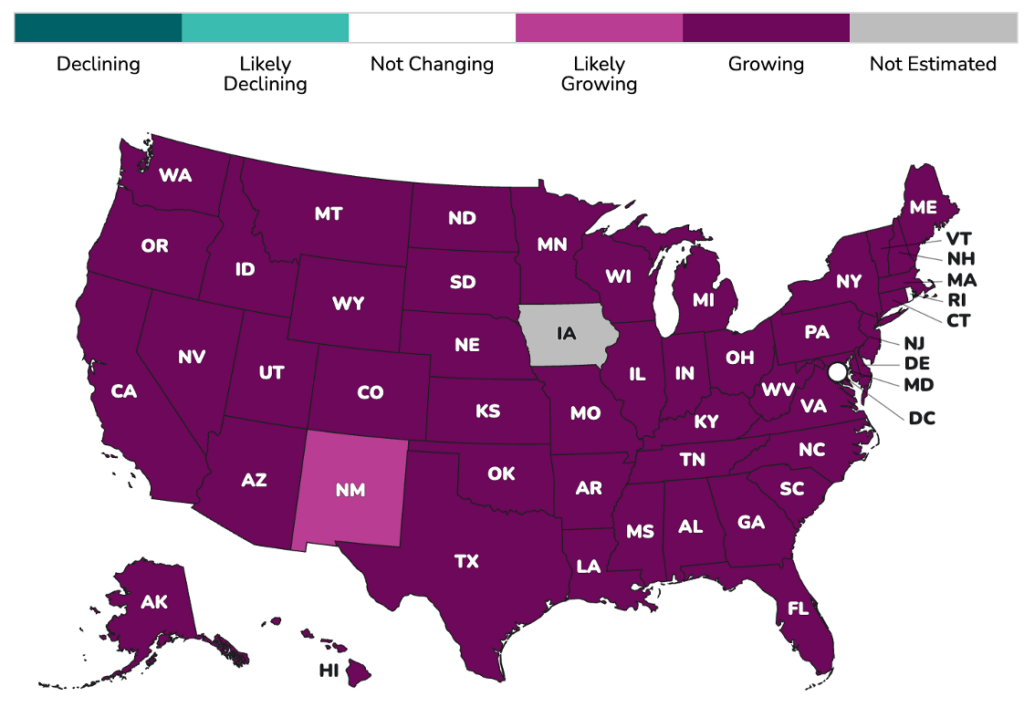
COVID Risk Matrix
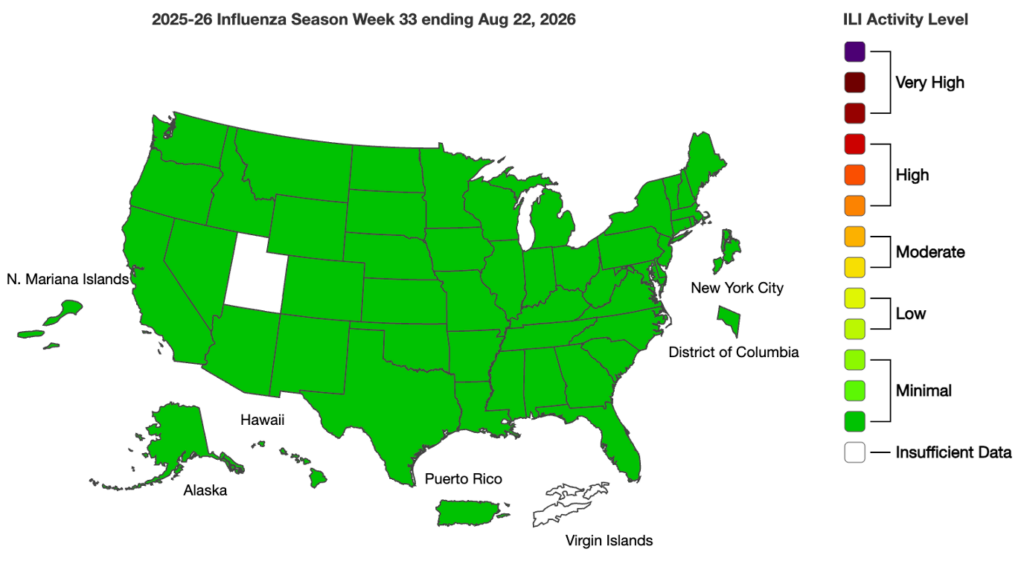
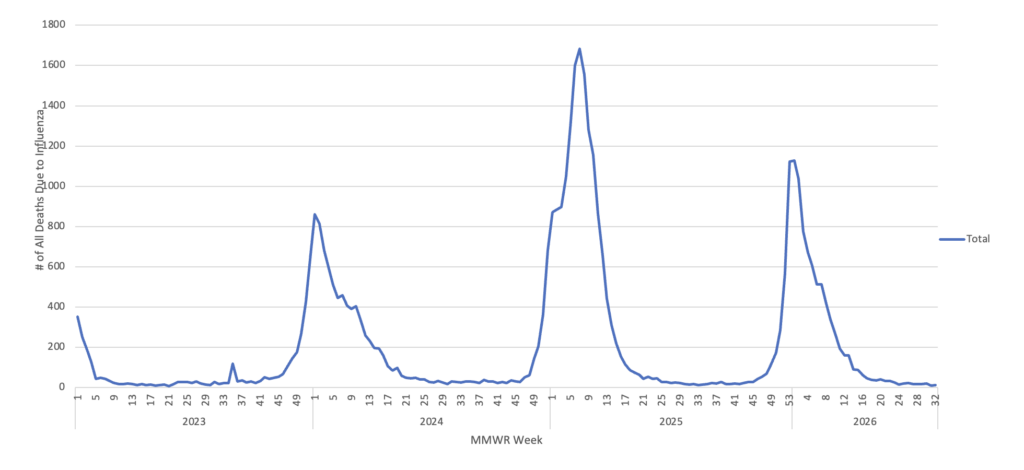
Influenza
Public Health News
- The US FDA approved updated COVID-19 vaccines from Moderna, Novavax-Sanofi and Pfizer-BioNTech for individuals aged 65 and greater and for others with underlying medical conditions. Vaccines are expected to be available in September 2026 and should be covered by most medical insurance.
- 50,000 doses of a vaccine against the Zaire-Ebola strain have been approved for use in health and frontline workers in Democratic Republic of Congo. While this vaccine is not a direct match for the currently circulating Bundibugyo strain, some evidence suggests there may be some protection offered.
- On August 27, 2026, the Africa CDC and WHO declared the end of the Ebola outbreak caused by the Bundibugyo virus in Uganda, following 42 consecutive days without a new confirmed case. A total of 20 confirmed cases and 2 deaths were recorded in Uganda.