

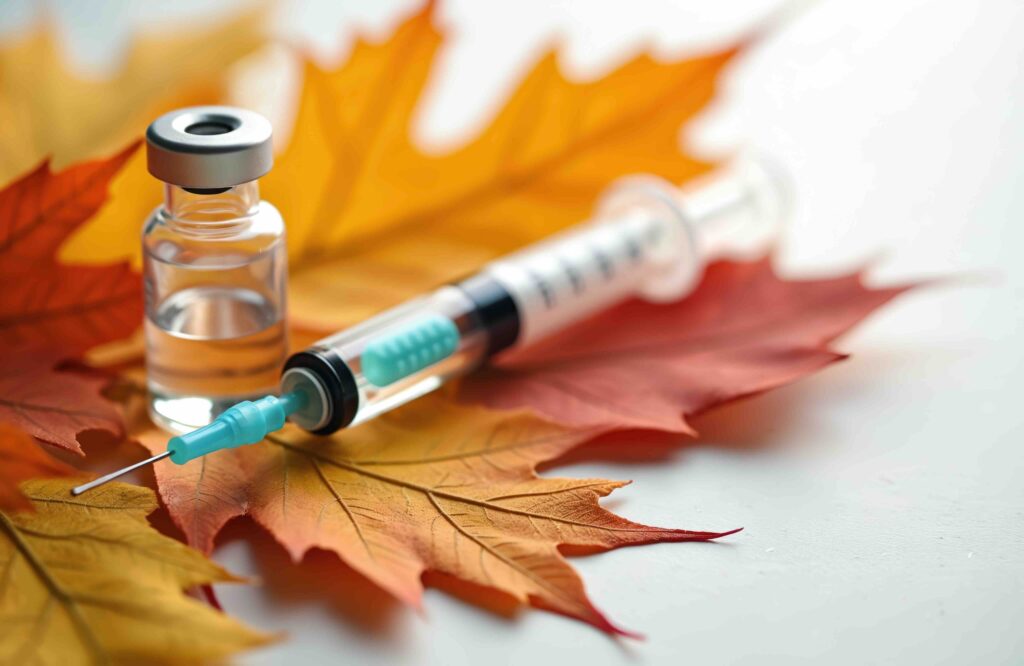
Looking at flu rates in countries south of the Equator is a primary method for predicting the severity of flu and other seasonal viruses in the Northern Hemisphere, as the Southern Hemisphere is ahead in seasons – and, thus has just wrapped up its latest flu season. This year, the relatively moderate levels in the Southern Hemisphere are causing experts to be “cautiously optimistic” that we, too, will see lower levels and severity as we move through our flu season.
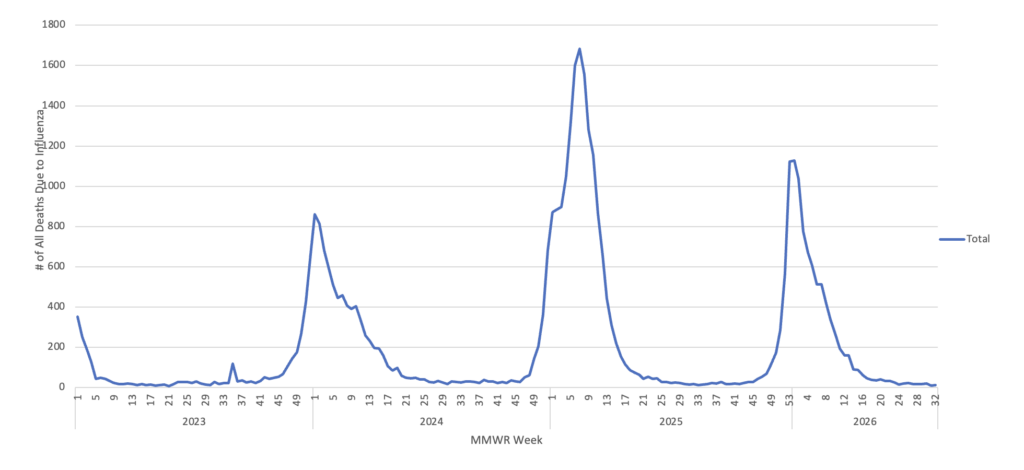
With that said, it is still wise to be vaccinated against the flu, particularly those who are over 50 years of age – who are at increased risk for severe illness, hospitalizations, and deaths – and children – who are the transmitters of over 70% of viral transmission and for whom 297 flu-related deaths were reported to CDC (with CDC stating that the actual number of deaths may have been closer to 800).
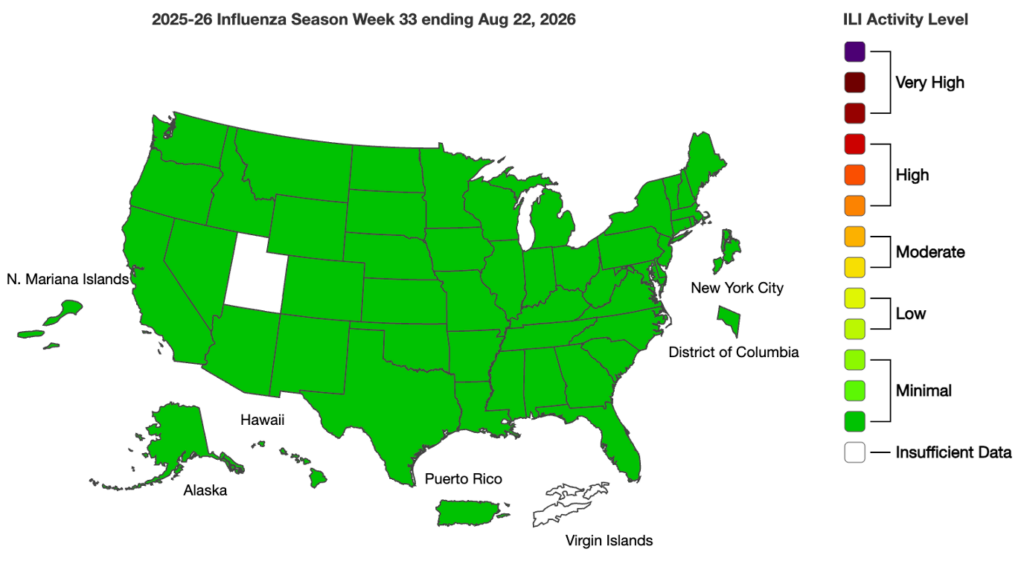
But don’t get vaccinated just yet! Although the flu vaccine is available, it is wiser to wait, as the protection provided by the vaccine is reduced by 6% to 10% each month that passes since your shot. So, with flu cases generally beginning to increase in October in the US with activity peaking between December and February, and your body needing about 14 days to build up protective antibodies, CDC advises late September and October as generally being a good timeframe to be vaccinated against influenza.
Additionally, with the new Moderna mRNA-based vaccine likely becoming available for this flu season, those who are approved for this vaccine (ages 50 and older) may want to wait a bit for its availability.
Because COVID is less seasonal than the flu, it is advisable to get that vaccine when the updated 2026–2027 formulation, targeting currently circulating variants like XFG, becomes available.
As the flu season progresses through 2026 and 2027, keep an eye on TAG’s Public Health newsletter articles (subscribe here) and our Communicable Disease Risk Matrices for current information and recommendations.
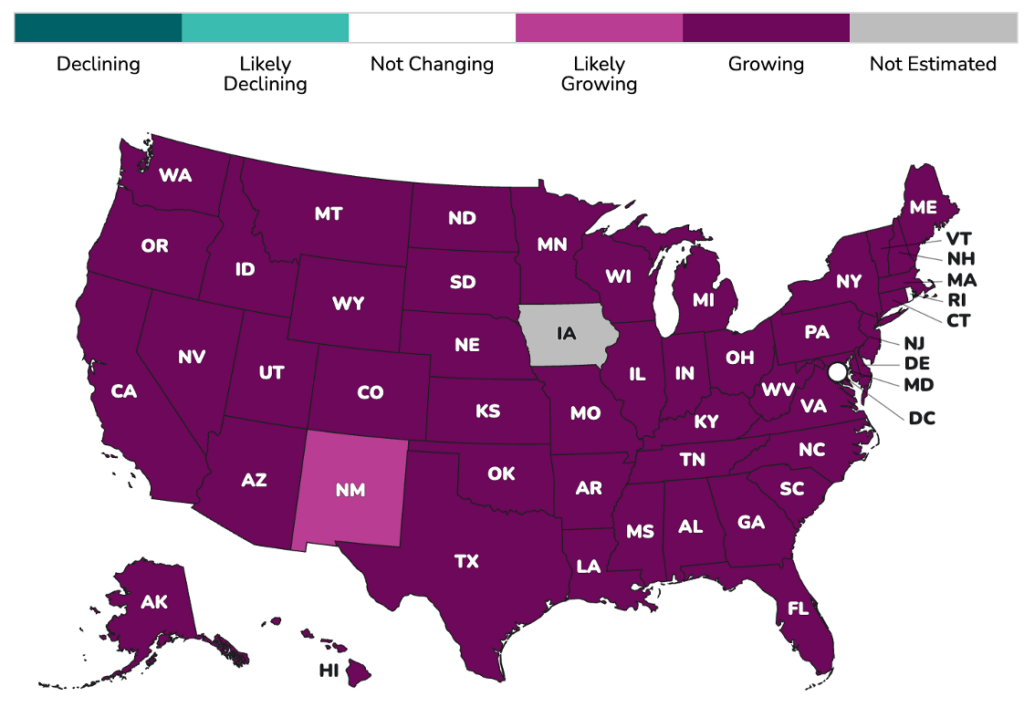
COVID (As of August 31, 2026)
Influenza
Public Health News
- There is a phased reopening of the US Mexico border in progress to begin allowing the importation of live cattle and other domestic animals, but screwworm mitigation efforts must remain in place. These include active monitoring of where cases are in Mexico and targeting imports in areas with less illness. Efforts continue to produce and release sterile flies that will help reduce the overall population size when wild female flies mate with the sterile male insects.
- In May 2026, the start of the flu season in Australia was appearing to be off to a slower start than 2025, with half as many cases being reported.
- In July 2026, the Pan American Health Organization (PAHO) reported that rates of influenza were at “expected levels”. They stated that influenza A—particularly the A(H3N2) subtype—remains predominant, influenza B circulation had been rising steadily in recent weeks, especially evident in Brazil and Chile.