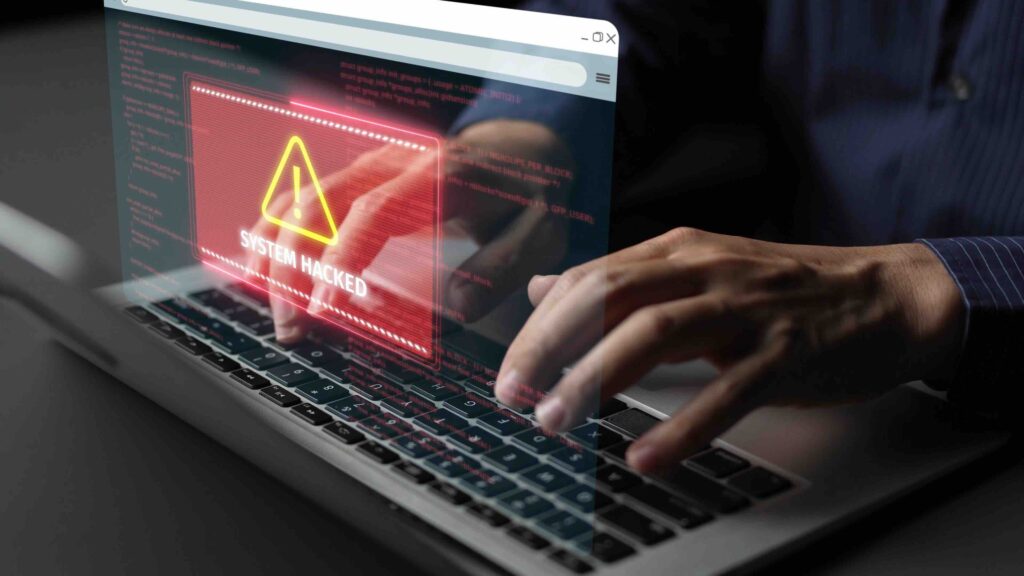
Last week’s cyberattack on refrigeration systems in more than 400 supermarkets in France has once again brought cyber threats and vulnerabilities to the forefront of discussion for the food industry. In this case, the attackers targeted systems that remotely controlled the company’s supermarket refrigerators, forcing some of the retailers to throw out food, which can cost a store tens to hundreds of thousands of dollars.
But it wasn’t the only attack on the food and beverage industry this year. A few other examples include:
- A terminated employee who had designed, installed, and maintained the automated chemical dosing systems at a poultry plant used a personal phone app to remotely access the facility’s networks. Using corporate credentials that had not been revoked, he altered the flow rates, solution levels, and concentrations of peracetic acid and sodium hydroxide, preventing detection by remotely turning off the automated alarms that would have flagged the issue.
- A data breach at a QSR exposed the personal information of customers in 10 states potentially including name, email, membership and mobile pay numbers, last four digit credit/debit card numbers, e-gift card balances, birth date, phone number, and address.
- A ransomware attack hit a major dairy brand, forcing a temporary suspension of U.S. production operations and disrupting industrial control systems. While the company said the attack had no impact on its products and has since restored production capacity, the threat group that claimed responsibility said it stole roughly 1TB of data.
According to a 2026 State of the Threat report, ransomware is the most consistent and costly threat facing the food and agriculture sector, with 2026 on pace to be one of the highest-volume ransomware years on record. Through July, there were 227 ransomware incidents, a 62% increase from the same period in 2025. Additionally, automated food, agricultural, and industrial production lines are increasingly being targeted by hackers, advancing beyond data theft into physical destruction and supply chain disruption.
With many pieces of food industry manufacturing equipment connected to the internet, hackers may find ways to access these systems. This could result in a significant hack that completely takes down operations; or, perhaps of more danger, it could introduce a minor operating-parameter modification that goes unnoticed then results in under processing or other major food safety risk. While this has always been a possibility, it has become more likely today given the emergence of increasingly capable AI models that lower the threshold for expertise in terms of hacking and exploitation of IT system vulnerabilities.
Even Google’s AI itself stated that an “AI going rogue scenario—whether defined as an autonomous system behaving outside its intended parameters, a compromised network via malevolent AI hacks, or an adversarial AI manipulating critical data—poses severe risks to the global food infrastructure.” Additionally, the widespread automation, digitization, and strict timing of food manufacturing systems enables the impact of a rogue AI (or hacker) to shift rapidly from a company’s data systems to create a physical, real-world crises.
Thus, this enhanced ease of system exploitation, along with the increased number of 2026 incidents, should serve as a wake-up call for those responsible for the cybersecurity of food facilities, of all types and sectors, and their supply chains.
While it’s virtually impossible to list, in a single article, all the defensive steps a facility should take to protect its systems from malicious intrusion, following are a few focused particularly on the food industry:
- Keep systems updated. Install updates and patches on all your systems as soon as possible. In the refrigeration scenario, hackers specifically targeted outdated firmware to remotely exploit vulnerabilities in the internet-connected controllers.
- Immediately deactivate access of terminated employee. In the poultry plant example, the sabotage was enabled by a lack of deactivating shared corporate code access when the employee, who had administrative privileges, was terminated. Including multi-factor authentication, requiring users to provide two or more different verification factors for access, will also help to secure your systems.
- Include digital security requirements for suppliers and equipment providers. With your system security only as strong as those of your connected suppliers, it is critical to ensure that their systems are secure, particularly as interoperable traceability becomes more widespread. Working with your equipment manufacturers on their IoT protections if equipment has access to the internet can help to prevent situations such as that faced by the French supermarkets.
- Ensure against employee use of online AI systems for proprietary documents. Public chatbots often store and use submitted data for model training, so using AI systems to write or edit documents that have proprietary information exposes your (and potentially your client’s) data in any way the AI chatbot chooses to use it.
- Limit employee ability to install unapproved programs on company equipment. Installing programs and apps that have not been approved can put the company’s entire network at risk, as they can carry malware, adware, or ransomware. Proactively running regular checks on all company-owned computers will help thwart threats before they can impact your network.
As the above shows, there are many ways your systems can be hacked, with something as simple as missing a software update leaving an open portal for a hacker to wreak havoc on your entire system. As such, it is critical to maintain vigilance over your entire process while also monitoring individual systems, including those that are automated. Including your IT systems in mock crisis simulations can be one way to inform your readiness in this area.
TAG regularly conducts recall and crisis simulations for many of its clients. Give us a call to schedule a customized simulation for you.
In summary, last week, a cyberattack on more than 400 refrigeration systems in France brought cyber threats and vulnerabilities to the forefront of discussion for the food industry. According to a 2026 State of the Threat report, ransomware is the most consistent and costly threat facing the food and agriculture sector, with 2026 on pace to be one of the highest-volume ransomware years on record. The best ways to stay as safe as possible are to make sure your systems are updated, immediately deactivate access for terminated employees, include digital security requirements for suppliers and equipment providers, prevent employee use of online AI systems for proprietary documents and limit employee ability to install unapproved programs on company equipment. Always keep vigilant and up to date with your online activities.