
Food Safety
How Do FDA’s New Traceability FAQs Apply to Your Link in the Chain?
With just over two years left for the industry to comply with the new Food Traceability Rule (FSMA 204), facilities are beginning to take


we are committed to delivering innovative solutions that drive growth and add value to our clients. With a team of experienced professionals and a passion for excellence.
With just over two years left for the industry to comply with the new Food Traceability Rule (FSMA 204), facilities are beginning to take

Violative observations from the inspection included ineffective measures to exclude pests, as evidenced by abundant sightings throughout the warehouse of
Rodent excreta pellets and urine stains in numerous places on pallets of food, packaging materials, storage areas, support beams, floors, etc.; dead, decomposed rodents in traps; rodent paw and tail prints; and missing rodent stations.
Bird excreta on pallets and nesting material.
Live insects.

A newly released report from the European Food Safety Authority (EFSA) Emerging Risk Knowledge Networks (EREN) has identified eight food safety issues as emerging
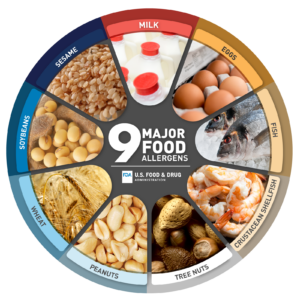
Since 2016, FDA has been rolling out (albeit rather slowly), a series of guidance documents for 17 chapters related to FSMA’s Preventive Controls for

Ironically enough, Fall’s falling temperatures, leaves, and potential snow brings a rise in respiratory diseases, with an expectation that this year will bring another

The federal government prohibits interstate commerce of raw milk because it can contain disease-causing pathogens. Yet at least 29 states permit its intrastate sale

The facility’s HACCP plan did not include the required criteria for control measures delivering a 5-log reduction in the most heat-resistant microorganisms of public health concern to be in place at least as long as the product shelf life. Additionally, the process was not validated against Cryptosporidium parvum, E. coli O157:H7, and Salmonella.

Do you produce ready-to-eat (RTE) meat products? Do they have any additives? If so, this article is for you. … If not, keep reading
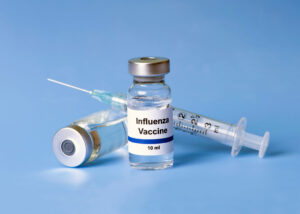
Respiratory viruses tend to spread at heightened rates in the fall and winter, peaking from December to February. Thus, fall vaccination against the viruses