

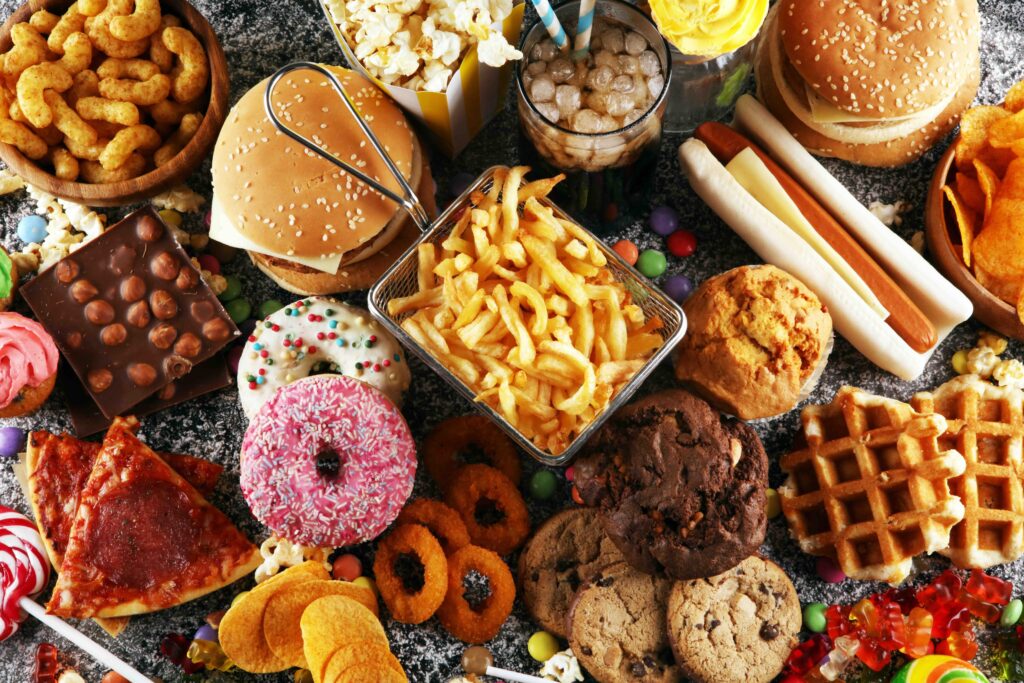
Ultraprocessed foods (UPFs) have been at the heart of HHS Secretary Robert F. Kennedy Jr’s MAHA agenda since before he was confirmed as Secretary in early 2025. But nearly two years later, there is still dissension on a federal definition of the term, which is fundamental to the development of any regulation. That dissension, however, is predominantly on the federal level, as a number of states are well ahead of HHS, not only defining UPFs, but passing regulations.
We’ll start with the federal activity. HHS/FDA has, in fact, proposed a definition. However, it has not been publicly published, but was submitted in a white paper (0910-ZD60) to OMB and its Office of Information and Regulatory Affairs (OIRA) in early August. While OIRA submission is the required process for a proposed regulation, the fact that HHS submitted the white paper as a notice, rather than submitting a proposed rule, advance notice of rulemaking, or even guidance, limits the regulatory action that could result from it without further submission as one of these. Additionally, as a notice, it is considered an informational submission, and it is listed as having no legal deadline and no economic significance. Thus, if passed by OIRA, it would simply be a definition with no enforceable action associated.
The definition which HHS health officials are said to be advocating, according to a document attained by the Wall Street Journal, is that “processed food should be considered ultraprocessed if it contains ingredients such as artificial colors, nonnutritive sweeteners or chemical preservatives, with exemptions.” The dissension over the definition was also said to focus on the fact that most foods in grocery stores would fit into this definition; it could be grounds for lawsuits against the government or food manufacturers; and it would have a significant impact on the food industry and international trade agreements.
Additionally, because the definition was submitted by HHS/FDA, even if it were to clear OIRA, it would not be a single standard applicable through the U.S. food supply, unless it were to be sanctioned by USDA as well.
Meanwhile, other parts of the federal government are attempting to press forward on similar agendas. One Senate bill, the Childhood Diabetes Reduction Act (S.5026), would require warning labels on foods with added sugar, saturated fat, sodium, or high-intensity sweeteners and prohibit marketing of these foods to children. Another, the Food Labeling Modernization Act (H.R.8385), would establish federal definitions for ultraprocessed and not ultraprocessed and mandate a uniform front-of-package nutritional symbol system.
With these three similar, but varied federal agendas being proposed, we see it as unlikely that any one of them will move forward to become regulation any time soon. Rather, we would expect ultraprocessed to continue to be a federal focal point through 2027.
While the federal seesawing wavers on, the states are moving their own agendas forward, with – as is often the case – California in the lead. Following on the 2025 passage of AB 1264 which established a legal definition of ultraprocessed, Governor Gavin Newsome signed AB 2244 on September 28, 2026, creating the first official state-backed “Non-Ultraprocessed Certified” seal in the U.S. Additionally, while California tends to get the greater publicity, and was the first to develop a seal, Arizona also passed A.R.S. 15-242.01 in 2025, defining ultraprocessed as any food or beverage that contains one or more of 11 specific chemical additives and artificial dyes, and banning the sale of any such item on school grounds during the normal school day – beginning this school year (2026-27).
California’s AB 2244 definition also applies to schools, defining ultraprocessed to be any food or beverage that contains a specified substance and either high amounts of saturated fat, sodium, or added sugar or a nonnutritive sweetener or other substance, as specified. AB 2244 then adds a voluntary Non-Ultraprocessed Certified Seal, which manufacturers can use if the product has been certified by an accredited certification agent, and also requires that grocery stores with over $10 million in annual sales make at least 3 Non-Ultraprocessed Certified items clearly identifiable if the grocery store offers more than 25 certified items.
In Summary, while there is a range of definitions being proposed or legislated by HHS/FDA, Congress, California, Arizona, and a handful of other states, the ultimate goal of all is to reduce the amounts of artificial substances, sugars, and/or other nonnutritive ingredients in foods – particularly those for children. How soon a federal regulation would be enacted is yet to be seen, but you can expect the states to continue to propose and enact various versions of the above resulting in confusion, cost and challenges for the food industry… and TAG will stay attuned to it all to keep you informed!