

As cooling weather continues to develop across the U.S., so, too, do viral illnesses from the common cold and other general respiratory syncytial viruses (RSV). While visiting a healthcare provider is advisable when symptoms worsen, it is not advisable to misrepresent symptoms or press the provider for antibiotics when the symptoms are diagnosed as viral-sourced.
Not only will antibiotics not relieve viral symptoms, but it has also been widely proven that overuse of antibiotics has contributed to the rapid emergence of resistant bacteria. Yet a new JAMA Network Open survey has found that more than a quarter exaggerated and/or made up symptoms to attain antibiotics for themselves (28%) or for a child (27%). Reasons participants gave for the misrepresentations were they or the child felt very sick, they thought antibiotics were the only thing that would help, they were worried a serious infection may develop. Yet there can be numerous side effects from taking antibiotics, such as rash, dizziness, nausea, diarrhea, yeast infections, Clostridium difficile infection, severe allergic reactions, and antimicrobial-resistant (AMR) infections.
As this shows, taking antibiotics when not needed has no benefits and numerous potential risks for an individual. And the risks for populations as a whole are even greater:
- In 2019, bacterial AMR was directly responsible for an estimated 1.27 million deaths and contributed to nearly 4.95 million deaths worldwide.
- When antibiotics are used unnecessarily or inappropriately, they can create selective pressure that allows resistant bacteria to survive and multiply. These resistant strains can spread quickly, making once-effective treatments obsolete and infections increasingly difficult to treat.
- The diminishing effectiveness of antibiotics compromises the safety and success of critical medical interventions, including surgeries, cancer treatments, organ transplants, chemotherapy, and the care of immunocompromised patients.
- As infections become more resistant to treatment, they demand longer durations of care, more expensive or toxic alternative medications, and extended hospital stays.
As a business, it is important to understand that an employee’s virus can be just as contagious and disruptive to your team, making a home stay advisable whether or not the employee visits a healthcare provider. If your medical leave policy does require a physician’s note, we, at TAG, have found that providers are willing and able to write these for viral illnesses without the administration of antibiotics. After all, both the coronavirus and influenza are viruses, against which antibiotics have no effect.
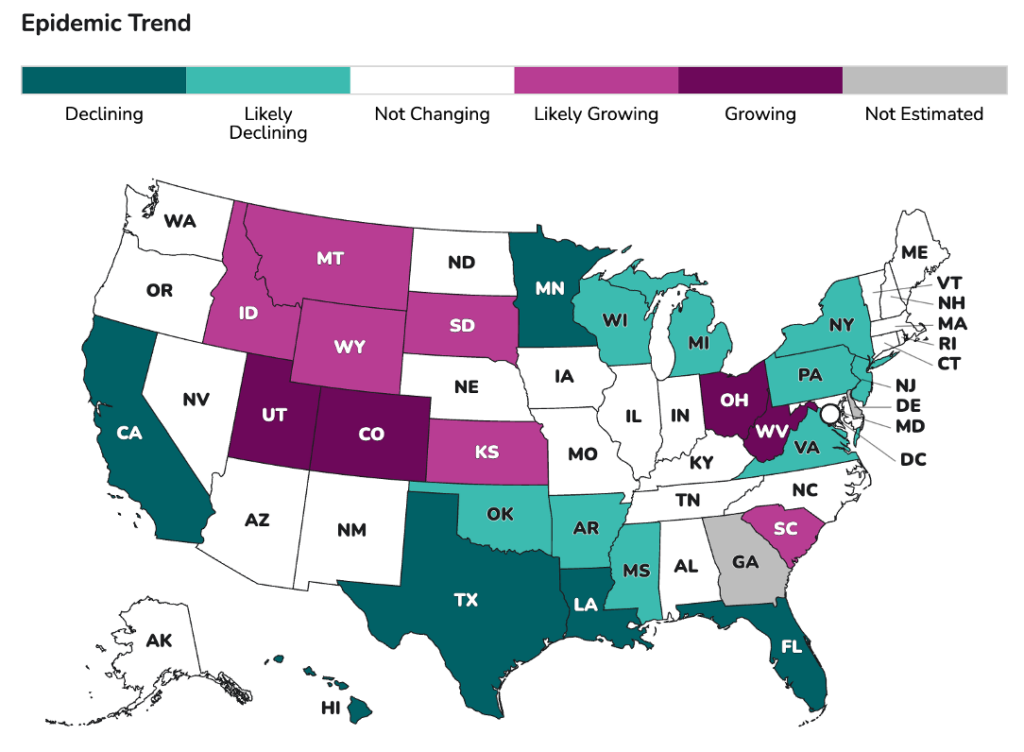
COVID (October 27, 2026)
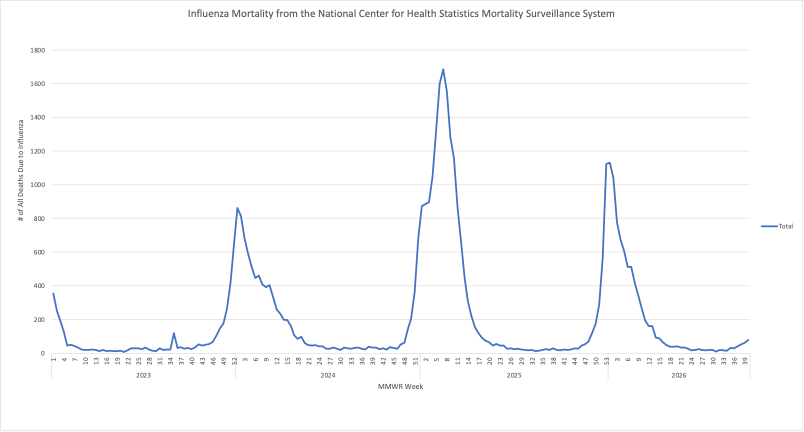
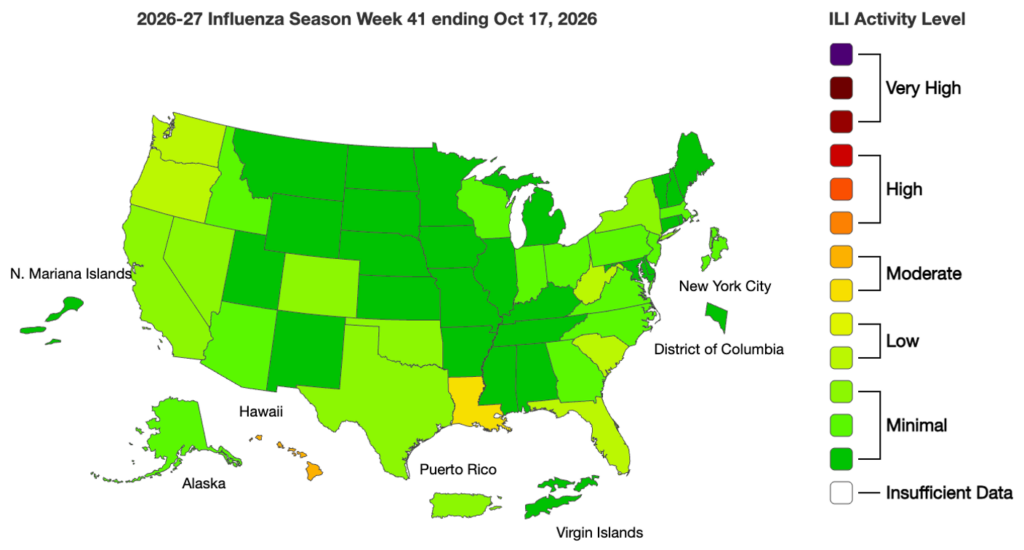
Influenza (October 27, 2026)
Public Health News
- To date in 2026, US measles cases have exceeded 5,182 confirmed cases, in 43 new outbreaks across 47 jurisdictions. In 2025, there were 2,289 confirmed cases reported. Eight measles deaths have been confirmed this year.
- Ebola vaccine development is progressing with a recommendation from the WHO to add two candidate vaccines from University of Oxford and Moderna to ongoing clinical trials in the DRC. This announcement means that at least 6 vaccine candidates will be tested within the single trial, using a ring-vaccination approach that enrolls contacts of people with confirmed Bundibugyo virus disease.
- In Brazil this year, Mpox cases are up 149% over 2025, tied to major national celebrations at which crowds gathered and vaccine shortages. While the case increase is concerning, the numbers are far below the thousands of cases reported in 2022.
- The US may lose their measles elimination status. The Pan American Health Organization is meeting this week to discuss the status. A country loses its status if transmission is re-established and continues uninterrupted for at least 12 months. The US had held its measles elimination status since 2000.