

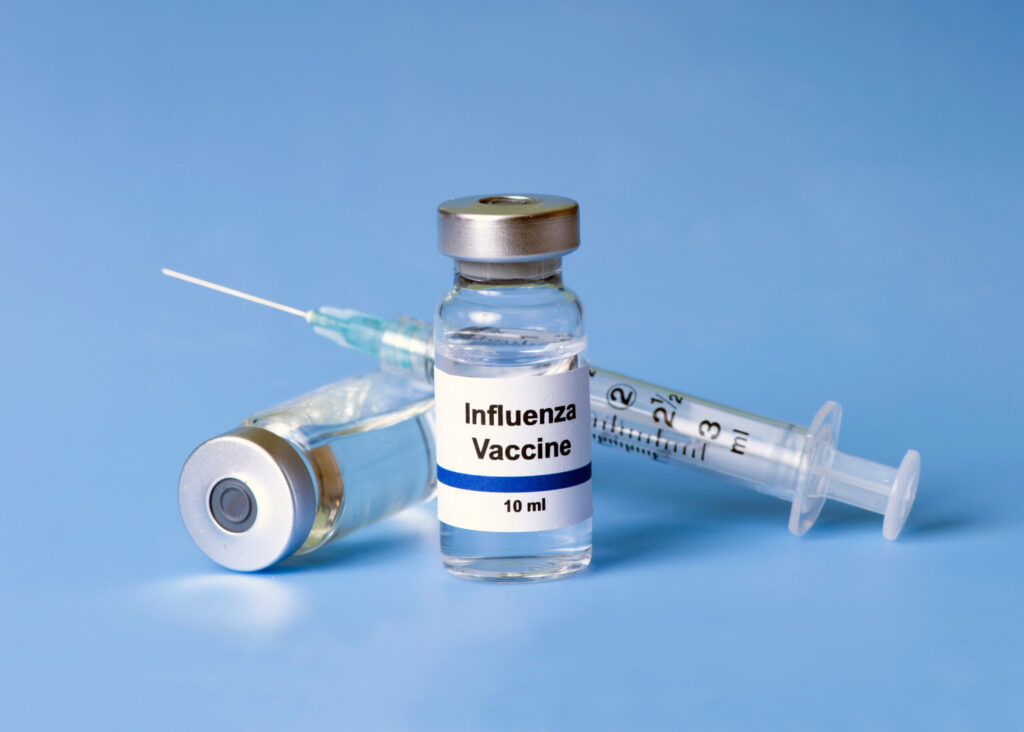
The number of influenza cases is quickly rising in most areas of the US, driven by both the decreasing number of people being vaccinated and the arrival of a new variant, H3N2 subclade K. As of the end of November, only about 40% of adults reported receiving the vaccine, and the proportion of doctor’s visits for flu-like symptoms rose to 3.2%, which is above the national epidemic threshold.
The subclade K variant is also of concern because it is not included in the vaccine strains, as it was not identified until after the vaccine was developed. This does not mean, however, that the vaccine should be skipped; in fact, it means that even more people need to be vaccinated for population immunity.
As discussed by NFID, when there is a good match between the vaccine and the circulating strains, the effectiveness is usually about 40-60%. If the vaccine effectiveness is 60%, then 83% of the population must be vaccinated to achieve that level of immunity. Because of this season’s variant drift to subclade K, the vaccine is less than 60% effective, thus the percentage of people needing to be vaccinated to achieve population immunity is even higher.

This makes vaccines increasingly important, for both your own and others’ protection. As CDC explains, “When circulating influenza viruses are drifted from viruses represented in the influenza vaccines, vaccine effectiveness may be reduced but influenza vaccination continues to provide benefits.” Those benefits include protection against severe illness, hospitalization, and death; protection against the viruses in the flu vaccines; and reduction of flu transmission overall. In fact, early estimates of this season’s flu vaccine effectiveness in England against hospitalization is 70-75% for children and 30-40% for adults, suggesting that vaccination remains an effective tool in preventing influenza-related hospitalizations this season.
For this reason, CDC continues to recommend that everyone six months and older get an annual flu vaccine.
COVID Risk Matrix:

Influenza:


Public Health News:
- A review by CDC of the COVID 2024-25 vaccine in children revealed an estimated 76% effectiveness against COVID-19 associated emergency department or urgent care visits among immunocompetent children aged 9 months–4 years and 56% effectiveness among children and adolescents aged 5–17 years, compared with those who did not receive a vaccine.
- More than 1,900 cases of confirmed measles in the US have been reported to date in 2025. Current transmission hot spots are in South Carolina and along the Arizona-Utah border. 92% of U.S. cases occurred in unvaccinated or vaccination-status-unknown individuals; only 3% had received one MMR dose and 4% had received two doses.
- An ongoing outbreak of rickettsiosis is confirmed in the Mexican state of Chihuahua, with 107 cases and 53 deaths with cases skewed towards children and adolescents. This illness, also known as Rocky Mountain spotted fever, is a severe, tickborne zoonotic disease with a sudden onset of fever, headache, and rash, caused by Rickettsia rickettsii which re-emerged around 2020. Contributing factors to the reemergence likely include high tick load, high numbers of free-roaming dogs (since ticks carrying the bacteria tend to infect dogs), low population immunity, and limitations in the public health response capacity in vulnerable communities. Prompt treatment with the antibiotic doxycycline is needed to curtail symptoms.
- The WHO’s Global Advisory Committee on Vaccine Safety has recently analyzed vaccine safety and has reaffirmed the lack of a causal link between vaccines and autism.