

The Acheson Group
Disease Fact Sheets
Hantavirus Fact Sheet
What is Hantavirus?
Hantavirus is a family of about 20 viruses that can cause severe acute respiratory illnesses, known as hantavirus pulmonary syndrome (HPS). As a zoonotic illness, infection in humans is mainly acquired through contact with waste products or saliva from infected rodents or by touching contaminated surfaces. Though rare, human-to-human transmission has been reported in community settings involving close and prolonged contact with exposure to the sick person’s respiratory secretions or other bodily fluids. To date, the Andes virus is the only type of hantavirus known to spread person-to-person.
Why Should I Care about Hantavirus?
- Hantavirus infections are relatively uncommon, but in early May 2026, the World Health Association was informed about a cluster of illnesses associated with a cruise ship. Andes virus, endemic in South America, has been laboratory confirmed in at least 6 of the cases.
- It is believed that the first 2 cases, a married couple, may have been infected before they boarded the ship in Argentina.
- Contact tracing and quarantine are in place for the remaining passengers.
- No specific treatment exists, though managing symptoms is critical.
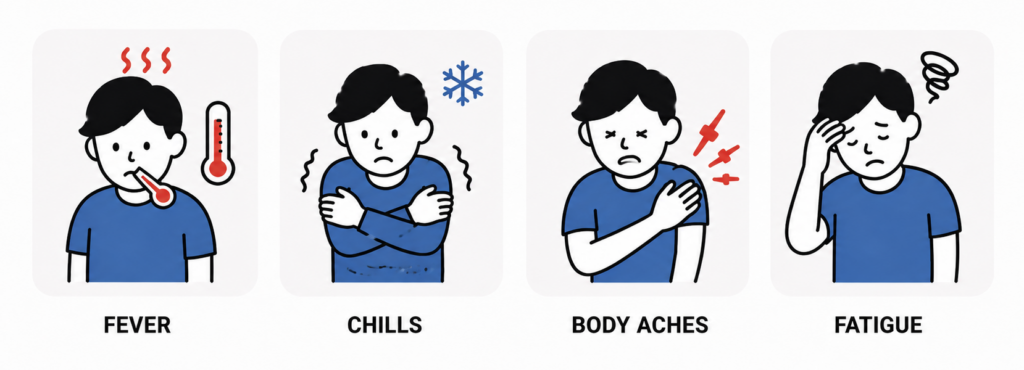
SIGNS & SYMPTOMS OF HANTAVIRUS
What Do I Do About Hantavirus?
- Avoid exposure to rodents and their urine and feces.
- Use care when cleaning rodent droppings, including use of a well-fitting N95 mask.
- Use a general-purpose household disinfectant cleaning product or a bleach solution for disinfecting surfaces.
- If traveling to places where the virus is more common and potential contact with rodents is possible, care should be taken to minimize exposure.
- Limit contact with infected persons by maintaining distance, washing hands and not sharing food or drink.
TAG Public Health Experts have the experience and expertise to help companies and institutions successfully integrate science-driven public health approaches into their business strategy.