May is turning out to be an eventful month for cyclists.
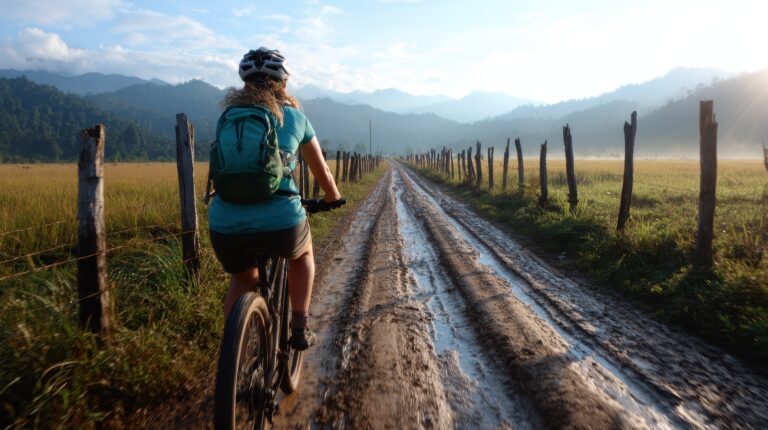
Just as bicyclists are beginning to celebrate National Bike Month, reports have come out about a number of riders taken ill after the Famenne Ardenne Classic, a one-day professional cycling race held annually in Belgium. With heavy rains pelting the route, the cyclists were riding through some heavily mudded areas. Thus, the illness is suspected to have been caused when the riders rode through areas near a cattle farm where manure was mixed into the muddy roads.
With the riders’ wheels spraying the dung-laced mud onto the bikes, riders and their water bottles, with their subsequent ingestion is believed to have caused a Campylobacter infection. The resulting intestinal issues, diarrhea, and vomiting impacted some of the riders so intensely, they were unable to make it to the Giro d’Italia Grand Tour the following week.
While we wouldn’t want the incident to cause anyone to refrain from cycling – particularly with this week being National Bike to Work Week! – it does serve as a caution for those who may be cycling in the countryside or near animal farms. Not only were cyclists directly infected, but the 2- to 5-day incubation period for the infection means that asymptomatic cyclists may have carried, and potentially transmitted the infection in their travels to the following event.
As with many illnesses, the best way to prevent infection and stop transmission is through thorough handwashing with soap and water after any potential contact with feces, be it animal or human.
COVID Risk Matrix:
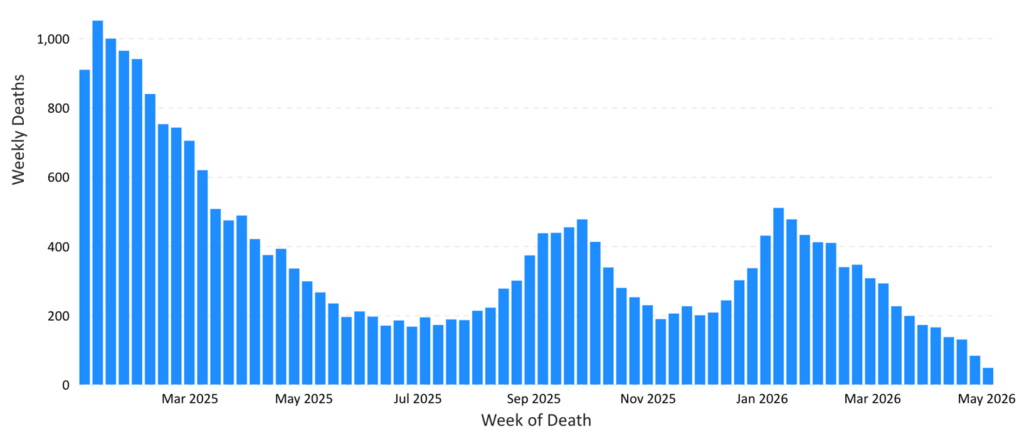
Influenza:
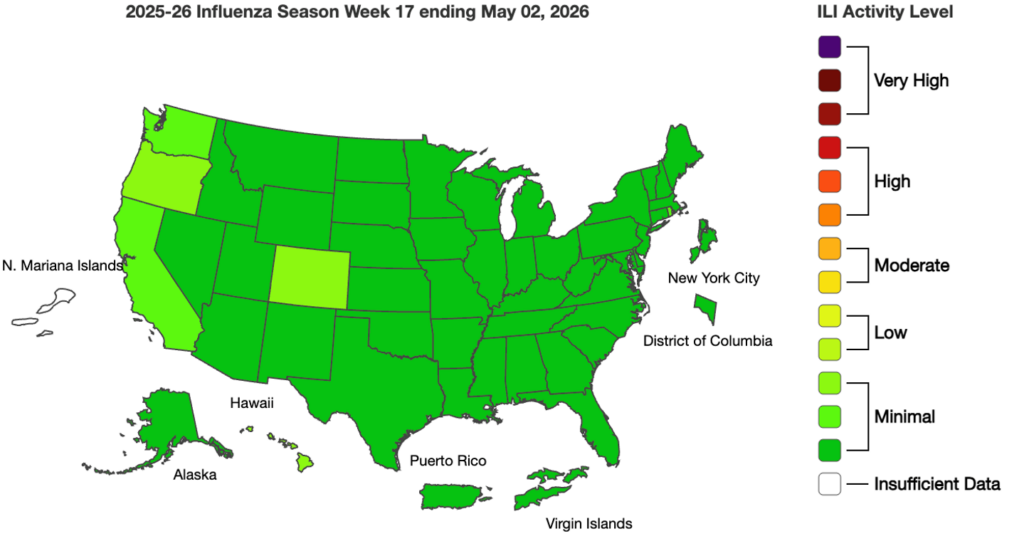
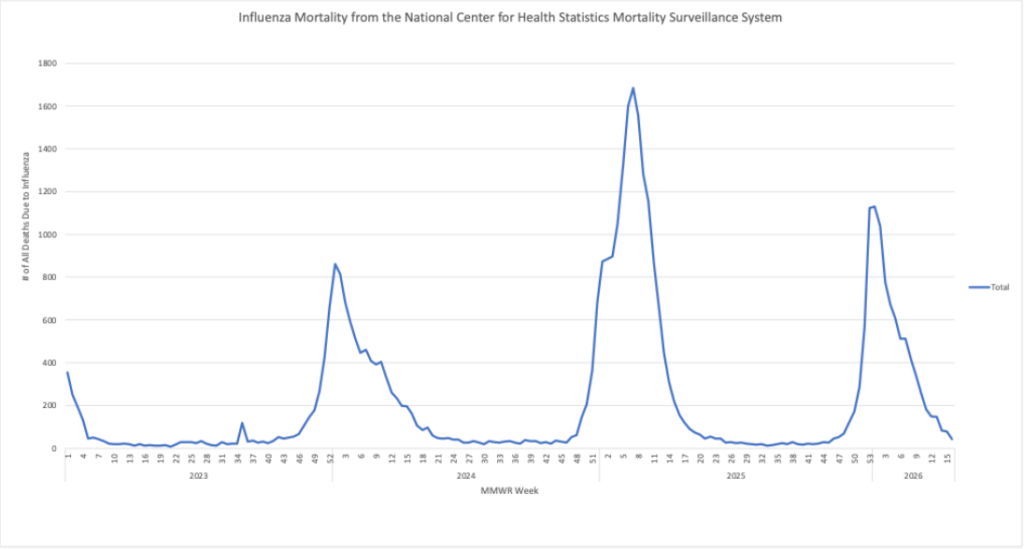
Public Health News:
- A significant outbreak of tuberculosis at a high school in San Francisco affected nearly 20% of students and staff who were diagnosed with either latent or active TB during an outbreak that started in November 2025. All cases received treatment and transmission has ended. California continues to report higher rates of TB than the rest of the US, linked possibly to lapses in identification and subsequent treatment of latent cases before they proceeded to active TB.
- Cyclists who experienced gastrointestinal illnesses after an early May bike race in Belgium were diagnosed with Campylobacteriosis. The suspected source is cow manure on wet, muddy roads during the race, which splashed onto the cyclists.
- A recent study continues to highlight the value of wastewater monitoring as an early warning system. In Feb- Aug 2025, New Mexico Department of Health researchers sampled 6 wastewater treatment plants across 6 counties in the state. They detected nucleic acid from measles about 5 days prior to cases being identified. This allowed for early awareness of measles presence and spread, timely risk assessment, communication with the public, and community outreach.
- A cruise ship docked in Tenerife after a hantavirus outbreak that has resulted in 11 reported cases and three deaths so far. Isolation of the passengers and crew and subsequent, transportation and quarantining is in progress. The outbreak involves the Andes strain of hantavirus, which is rare because it can spread from person to person through close contact, unlike other hantaviruses that spread via rodent contact. To keep our clients informed, TAG has created a free fact sheet for your quick reference, located here.
- May 10 – 16, 2026 is Food Allergy Awareness Week. For this week, FARE has created a new resource toolkit to bring allergen awareness to the public.