
The suspected hantavirus outbreak on a cruise ship carrying passengers from across the globe has brought the disease into the headlines this week. Although the outbreak is still under investigation, hantavirus has been confirmed in one case and is suspected in five others.
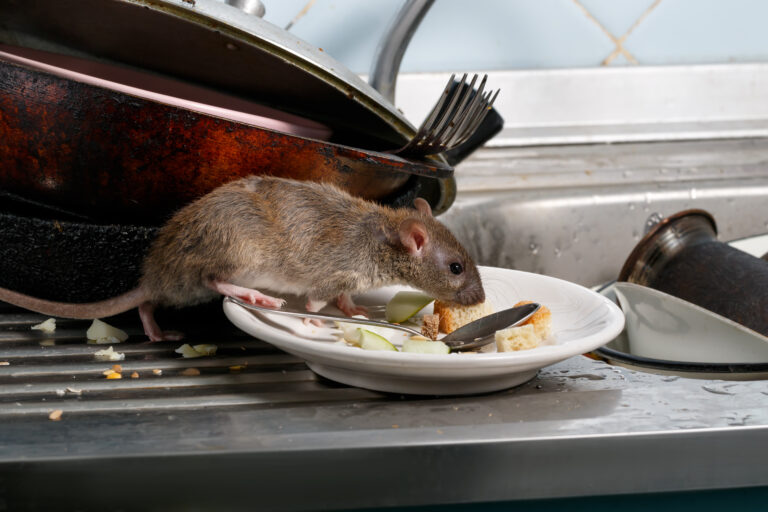
Hantavirus is rare, but can present as hantavirus pulmonary syndrome (HPS) or as non-pulmonary infections. With only about 950 cases reported in the U.S. since surveillance began in 1993, hantavirus is most commonly spread by contact with rodents through the inhalation of disturbed rodent droppings, urine, or nesting materials; eating food or touching surfaces contaminated by their saliva, urine, or droppings; or being bitten or scratched by an infected rodent. Person-to-person transmission is possible but rare.
The time from infection to the start of symptoms is usually about 2 to 3 weeks, with initial symptoms including fatigue, fever, muscle aches, headaches, dizziness, chills, nausea, vomiting, diarrhea, and/or abdominal pain. Thus, it can be confused with influenza, particularly because hantavirus is difficult to detect until a person has been infected at least 72 hours. After the initial phase, symptoms can progress (in about 4 to 10 days) to coughing, shortness of breath, and chest tightness. These can worsen suddenly to become life-threatening, so if you have flu-like symptoms that progressively worsen over a few days, see your health care provider. Get immediate medical care if you have trouble breathing.
There is currently no specific vaccine, cure, or treatment for hantavirus. If caught early, ICU supportive care can enable improvement, but recovery can be slow and some symptoms long-lasting.
Thus, the best protection is prevention – avoiding contact with rodents and their droppings, and safe cleaning of any habitats. As recommended by Mayo Clinic:
- Wear a mask and rubber or plastic gloves.
- Spray the nest, droppings or dead rodent with a household disinfectant, alcohol or bleach and water solution, and let sit for five minutes.
- Use paper towels to clean up and dispose of towels in garbage.
- Mop or sponge the area with a disinfectant.
- Wash gloved hands; dispose of gloves and mask; and wash hands thoroughly with soap and water.
COVID Risk Matrix:
Influenza:
Public Health News:
- Per a recently released WHO report, countries are making measurable progress in combatting viral hepatitis B (HBV) and C (HVC), but the disease remains a major global health challenge. It was estimated that 287 million people were living with chronic HBV or HCV and these infections caused 1.3 million deaths in 2024. A fact sheet of the findings in the report is here.
- Through the end of April in 2026, 65,153 cholera cases, including 768 deaths, have been reported worldwide. While this is certainly a lot of lives impacted, the figures are about 1/3 lower than in 2025 for this same time period. The five countries reporting the most cases are Afghanistan, Democratic Republic of Congo, Yemen, Malawi, and Mozambique.
- A suspected hantavirus outbreak aboard a Dutch cruise ship has left three people dead and three others ill as the vessel remains anchored near Cape Verde. The WHO has reported one confirmed case and five suspected infections, with patients showing severe respiratory symptoms; two sick passengers are awaiting evacuation while others remain confined to cabins during sanitation efforts. Hantavirus is typically spread through contact with rodent waste, though rare person-to-person transmission is possible. Experts believe the strain may originate from South America, potentially the Andes variant, but the exact source of the outbreak remains unclear.