
Wastewater is proving to be an accurate indicator of the local spread of viruses. In the latest study on this, the CDC’s monitoring of wastewater alerted public health authorities to the risk of measles spread in Colorado last summer where several cases were ultimately reported.
The virus was detected in wastewater samples from a treatment plant in early August; the following week, two measles cases were reported in residents served by the plant, with subsequent cases then reported as well. With measles being a highly infectious disease against which fewer Americans are being vaccinated, the monitoring enabled the alerting of health care professionals to increase patient awareness and recommend vaccination.
CDC’s National Wastewater Surveillance System (NWSS) enables the monitoring of infectious diseases across the country to help local public health agencies protect their communities through early identification of outbreak trends, focused prevention efforts, and insight into disease spread.
The NWSS reports provide data on current wastewater viral activity level for both infectious diseases (measles, H5 Bird Flu, Monkeypox) and common respiratory viruses (Flu, RSV, COVID-19) at the site level, as well as the state, regional, and national levels. By helping track recent detections of emerging or re-emerging viruses of concern at sites across the US, the monitoring works as an early detection system for the understanding of and response to viral outbreaks. Additionally, genomic sequencing advances are enabling public health laboratories to track emerging and spreading variants of the viruses.
COVID Risk Matrix:

Influenza:


Public Health News:
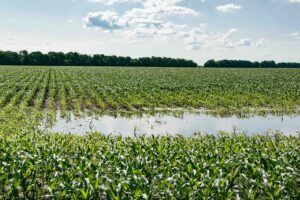
- Brazilian authorities are reporting an increase in gastroenteritis illnesses linked to the consumption of non-potable water and contaminated beaches during the ongoing summer tourist season in this Southern Hemisphere country. Recent heavy rains may have transported waste, sediments, and sewage effluent from urban areas to coastal waters, particularly affecting areas near storm drains and river mouths. A recent survey demonstrated that 35% of surveyed beach areas could pose risks to beachgoers based on high E. coli populations in the samples.
- The US CDC recently published a study illustrating the use of wastewater data to track measles cases and spread. This report focused on cases in Colorado in the summer of 2025, where an initial 2 cases were reported. By monitoring wastewater for the measles virus RNA, public health authorities were alerted to the risks and were able to alert healthcare professionals to be on the lookout. Ultimately, several more cases were reported.
- While rabies is a very rare disease, especially in the US, it can be fatal. A recent report illustrates the need for prompt diagnosis and tracing of contacts to limit further exposure and illnesses and allow for postexposure prophylaxis. The report describes that a visitor to the US from Haiti presented with serious symptoms but was not tested until the 29th day of his hospital stay. During this extended time, dozens of healthcare workers and others encountered the patient and his saliva (rabies-infected humans can shed virus in saliva); the patient ultimately died.
- Despite large increases in measles in the US since March 2025, there has been an overall decrease in reported measles cases in the European Union. In November 2025, 30 countries reported measles data, with 12 countries reporting 83 cases and 18 countries reporting zero cases.