Using approved natural colors in food products has just gained an added advantage, as manufacturers can now claim products as containing “no artificial colors” when they do not contain petroleum-based colors.
FDA Updates Food Label Claim Ability
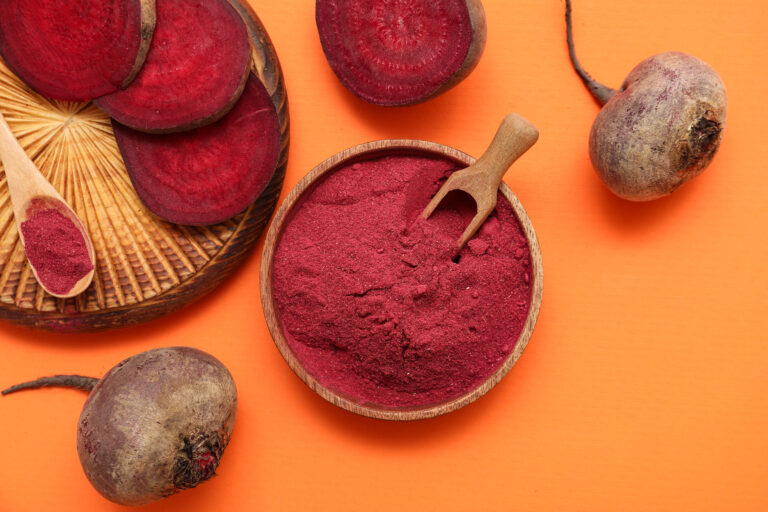
The FDA announcement came last week, updating the agency’s previous stance that the claim could be used only on products with no added color whatsoever. The change is the latest in the FDA’s actions, begun in April 2025, to work with industry to phase out petroleum-based synthetic colors from foods. In addition to the announcement, FDA approved two more natural color additives: beetroot red and spirulina extract (expanded use), giving manufacturers a total of six from which to choose, including the previously approved galdieria extract blue, butterfly pea flower extract, calcium phosphate, and gardenia (genipin) blue.
While FDA did not change the 21 CFR 101.22(a)(4) regulatory definition of “artificial color,” which does not distinguish between colors that are derived from natural sources and other color, the agency sent a letter to industry stating that it will “exercise enforcement discretion.” As such, FDA will not take enforcement action on a firm using the voluntary labeling claims below, as long as the food does not contain any FD&C-certified colors (listed in 21 CFR part 74):
- Made without artificial food colors/colorings
- No artificial color/colors/coloring
- No added artificial color/colors/coloring
In the past, the best – and in some cases, only – way for a consumer to determine if the colors in a product were from natural sources was to scan through the ingredient list. This new labeling gives consumers a much easier way to know.
FDA Advises Dye Manufacturers to Focus on Safety
With a view of not “jumping from the frying pan into the fire” regarding natural color, FDA also issued a letter to color additive manufacturers iterating the importance of ensuring the safety and purity of their color additives by limiting impurities, including heavy metal contaminants, solvent residues, and microbial contaminants. Just because a color is deemed “natural” does not mean that it does not carry its own set of risks. A color additive that contains heavy metals that exceed specifications is considered adulterated; so, FDA recommends that manufacturers consult all available resources to identify the most stringent specifications achievable for color additives.
Natural Food Dye Pros and Cons
While there are some stated health benefits to the use of natural colors, there also are some negative aspects. Some of the most common of these have greater potential for lack of color vibrancy, color degradation under certain conditions, allergenic reactions or medication interactions, and cost related to sourcing as well as processing and color stabilization.
Need to Reformulate a Food Product? Here’s some tips:
With the differences between the synthetic and natural food dyes, manufacturers will, in most cases, need to reformulate any products for which they plan to make the shift. While each product has varying challenges, a publication from IFT provides some key considerations when planning a reformulation:
- Environmental Sensitivity: Some natural colors will degrade more quickly when exposed to heat, light, moisture, or oxygen, making them unsuitable for some applications or necessitate a packaging change.
- Vibrancy: Natural colors are often less vivid and have shorter shelf lives, so products may need a higher concentration or revalidated shelf life. While the safety may not be affected, a color fade can cause consumers to perceive a lack of quality or overall degradation.
- Multiple colors: Because different natural colors will have varying rates of color change, this will need to be considered in shelf-life determinations as well.
- pH Sensitivity: Natural color additives often work best within specific pH ranges. For example, a color may have a reddish hue in an acidic product but be purplish in a neutral one.
- Cost: Natural colors are more expensive causing manufacturers to have to decide between increasing the price or absorbing the increase.
An additional aspect companies will need to take into consideration is the potential of demand exceeding supply as more manufacturers make the switch. As of December 12, 2025, 23 companies had made a pledge to remove petroleum-based dyes or were in the process of doing so. FDA’s tracking of these pledges shows that while most were still listed as “in progress,” four had completed the removal from synthetic dyes from at least one product. Sam’s was the most proactive, having eliminated certified synthetic colors/FD&C colors from all its Member’s Mark food and beverage products, and Tyson’s had eliminated certified color additives from its name brand, along with Jimmy Dean and Hillshire Farm lines.
With the many considerations that need to be made, choosing the best color option for a product, along with reformulating and relabeling, can be complex and challenging. TAG has experts who can help – give us a call!
In summary: FDA now allows “no artificial colors” claims for foods made with approved natural color additives, creating new marketing opportunities, but also new formulation and compliance considerations for manufacturers.