With all the publicity on cantaloupe, I can’t help but wonder: Is it safe to eat?
The short answer: Yes, if …
The explanation: Cantaloupes can be particularly susceptible to contamination, but taking a few precautions can mitigate those risks.
The Cause: Why are cantaloupes so susceptible?
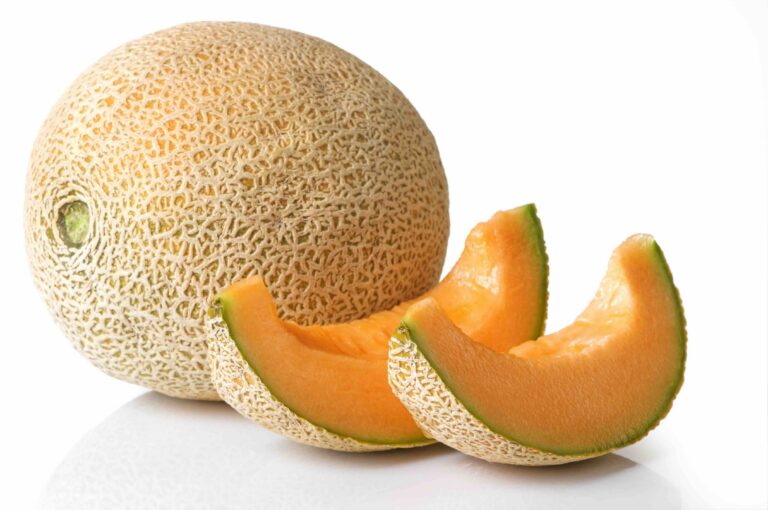
Cantaloupes do not inherently contain foodborne illness bacteria, but they are grown on the ground, so their rind can become contaminated with bacteria from the soil. Unlike the smooth rind of the watermelon, the cantaloupe rind is textured and netted, with spaces where bacteria (such as Salmonella and Listeria) can harbor and be difficult to remove.
Although we don’t eat the rind of the cantaloupe, the simple act of cutting the melon can carry bacteria on the knife from the outer rind into the soft inner flesh that we eat, causing the potential for foodborne illness.
According to the California Cantaloupe Advisory Board, most cantaloupe is not pre-washed before retail because the introduction of water into the fresh produce packing operation actually increases risk. Some packing facilities do incorporate washing following stringent sanitization requirements, but this is not meant to make the cantaloupe ready to eat – particularly as the further transportation and retail display with consumer handling can also cause contamination.
The Mitigation: What can you do?
Before purchasing any cantaloupe, examine it for visible damage or decay. It is best to avoid these, as bacteria could transfer into the cantaloupe through gashes or defects, even if not evident. Once you’ve selected a cantaloupe and gotten it home:
- Remove dirt and bacteria from the rind. As recommended by USDA:
- Remove surface dirt by thoroughly washing the outer surface of the cantaloupe under running cool tap water.
- To remove bacteria that has worked its way into nooks and crannies, scrub the entire surface of the rind with a clean produce brush for at least one minute.
- The FDA and Purdue University Extension Service also recommend sanitizing the cantaloupe with hot water:
- After washing and scrubbing, soak the whole cantaloupe in a hot water bath of 180°F for 5 minutes.
- Although the cantaloupe may smell like blanched vegetables after soaking, the odor will disappear once dried, and the color and taste will not be affected.
- You can now proceed to cutting the cantaloupe, removing any internal bruised or damaged areas before serving.
- Do not leave cut melon out of refrigeration (at <41F) for 4 or more hours.
- Cut melon should be refrigerated and consumed or discarded within 7 days.
Although it takes a few steps to make your cantaloupe ready to eat, its refreshing sweetness and health benefits make it all worthwhile!TAG can simplify your food safety and quality practices. Contact us for information!