I’m consumed with all the new rice trends! Are they safe?
The short answer: Yes, if…
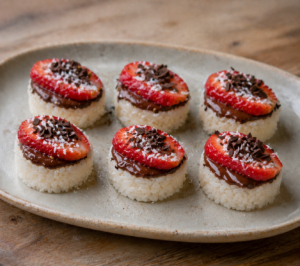
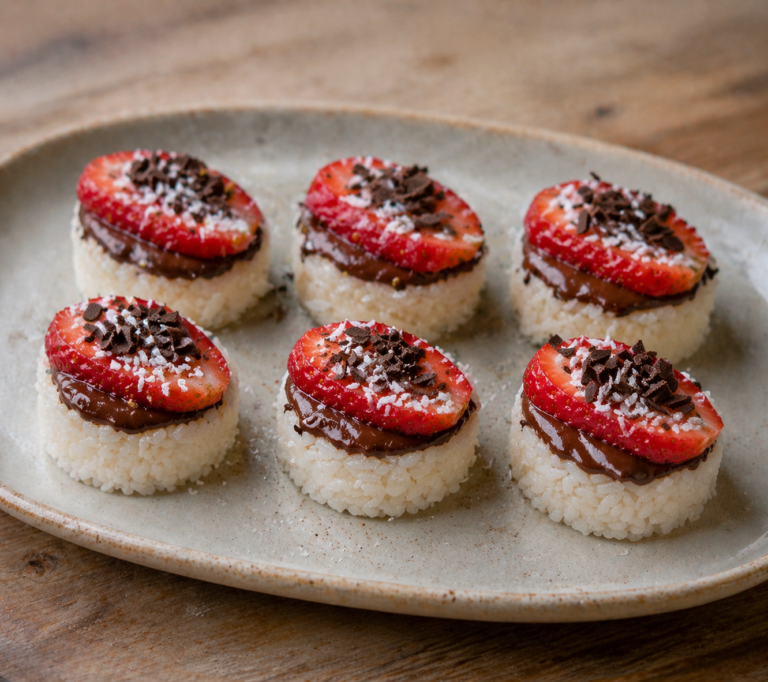
The explanation: Rice bowls, brothy rice, crispy rice salad, sushi bites … rice in a variety of new and old forms is seeing a resurgence in 2026, particularly as a way to use up leftover rice. While they can provide nutritious meal or snack options, rice dishes can also cause health risks if improperly handled.
Although “fried rice syndrome” is not as common as other types of food poisoning, there is some risk because raw rice can contain spores of Bacillus cereus. While generally harmless in small numbers, they can multiply when left at room temperature; and the longer the cooked rice is left at these ambient temperatures, the more likely it is that the bacterial toxins will increase, making the rice unsafe to eat.
Additionally, the toxins from Bacillus cereus are heat stable, so if you allow the bacteria to grow in the rice and produce toxin, reheating – by cooking, boiling, or microwaving – will not destroy the toxin.
To properly handle, cool, and store rice and rice products, follow the advice of the UK Food Standards Agency and Cleveland Clinic:
- Thoroughly cook rice in boiling water or a rice cooker.
- Don’t let cooked rice or foods made with cooked rice sit out for more than two hours.
- When reheating, ensure rice is steaming hot all the way through.
- It is best to eat cooked-rice carry-out foods shortly after purchase, and not store or reheat leftovers, as the rice may have been pre-cooked and reheated before sale, causing extra risk.
- Rice can be safely frozen, but should be quickly cooled, then put in the freezer within an hour of cooking. When ready to eat, defrost the rice in the refrigerator, then heat to steaming.
- Keep uncooked rice in a cool, dry place until you’re ready to cook it.
- If the rice/rice dish has not been eaten within two days, toss it – even if it’s been properly stored in the refrigerator.
TAG can simplify your food safety and quality practices. Contact us for information!