USDA has recently put a lot more emphasis on allergen controls. But if USDA’s recent issuance of new instructions for its inspectors on how to assess an establishment’s allergen program causes anxiety over what may be new and whether you are compliant, worry no more. Instead, you can check out the actual directive given to the inspectors and know exactly what they are being told to assess.
And it is important to know, because along with instructions for assessing whether an establishment is accurately controlling and labeling the nine most common (“Big 9”) food allergens, the directive adds gluten as an ingredient of public health concern. Specifically, the directive for Ongoing Verification of Product Formulation and Labeling Targeting the Nine Most Common (“Big 9”) Food Allergens (Rev. 4) was reissued in mid-September to address the hazards of allergens and ensure that “establishments have preventive measures or controls in place to address undeclared food allergens [and] verify that establishments are accurately controlling and labeling gluten similar to the Big 9 allergens.”
While gluten is not one of the Big 9 regulated allergens (crustacean shellfish, eggs, fish, peanuts, milk, tree nuts (e.g., almonds, pecans, walnuts), soybeans, sesame, wheat) it was added because consumption triggers celiac disease in an estimated 3 million people in the US with many other experiencing gluten sensitivity. But while adding gluten, the directive also removed certain tree nuts as allergens, updates milk to include that from other ruminant animals and eggs to include those from other fowl to align with FDA’s January 2025 updates to food allergen labeling requirements.
The revised directive was issued because FSIS analyses revealed that:
- Undeclared allergen recalls occurred due to changes in ingredient suppliers, products in the wrong package or with misprinted labels, or changes to a product or ingredient formulation.
- Establishments failed to include allergens on the product label when product came in contact with an undeclared allergenic ingredient that was not directly added to the product.
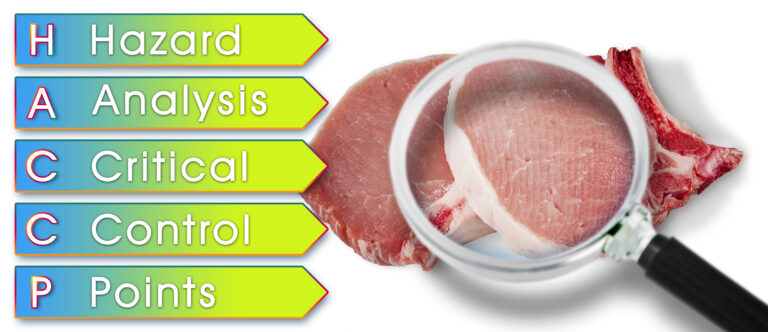
- The presence of an undeclared allergen in food indicates that the food safety system
- failed to address the chemical (allergen) food safety hazard in its HACCP plan;
- failed to support the decisions made in its hazard analysis; or
- failed to effectively implement controls to support the decisions of the hazard analysis.
Thus, to address this, FSIS makes labeling guidelines available online and directs inspectors in new establishments and those where there are potential concerns, to:
- Verify whether the establishment has developed and implemented allergen preventive or control measures within its HACCP plan, Sanitation Standard Operating Procedures, or other prerequisite programs.
- Discuss with management whether the establishment produces any products that contain any of the “Big 9” food allergens or gluten.
- Inform management that they will conduct monthly verification to ensure product labels match their formulations and schedule additional verification tasks in response to concerns.
- Schedule a directed formulation verification task more frequently if there are indicators of an increased risk of undeclared allergens. This could be triggered by a public health alert or recall, consumer complaints, history of sanitation or labeling noncompliance, or product or supplier changes.
Thus, key takeaways from the directive are that FSIS is increasing its focus on the hazard analysis to identify possible allergens (and gluten – and remember gluten does not just come from wheat), prevention and control of those allergens, and conducting of formulation verification tasks to ensure these are accurate and effective. When these are not properly declared or controlled, the inspector can request/recommend that the establishment voluntarily recall the implicated product and/or FSIS can conduct a preliminary inquiry, Public Health Risk Evaluation, Food Safety Assessment, or initiate enforcement action.
What all this points to is the regular need to review and assess your allergen control programs based on the most current definitions and requirements, to ensure they are being accurately identified and effectively prevented and controlled. If you have any questions about the compliance of your program, product formulation, or labeling, give TAG a call. We have the expertise to assess your products and processes to ensure you are producing and distributing safe food.